
Going the Distance in Gene Regulation and Hearing Science
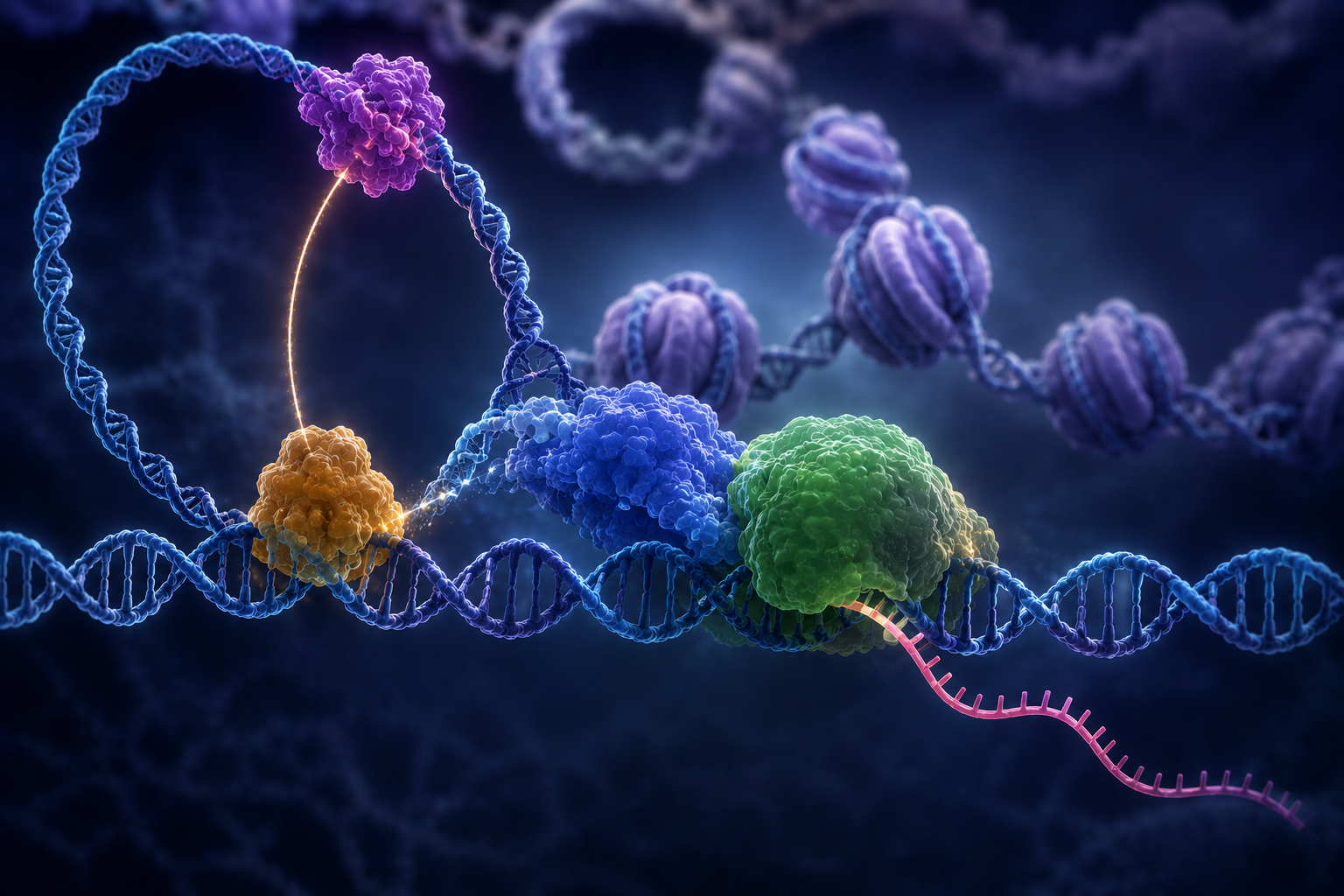
Gene regulatory mechanisms are far-reaching, and comprise much more than what happens at the site of a gene promoter. Tao lab has a strong focus on the non-coding distal genome in the mammalian inner ear. We study its involvement in gene regulation during development, throughout life, and with age, especially in sensory hair cells. Using advanced techniques including ATAC, CUT&TAG, and Hi-C, we dive into the intricacies of transcription factor activity, chromatin architecture and accessibility, and histone modifications, and bring this all together to construct networks supported by both experimental and computational data. Much like the distal elements we study, Tao lab reaches far to enhance our knowledge of inner ear gene regulation and functionality with the ultimate goal of preserving or restoring hearing function in mammals.
Techniques
Our lab is committed to utilizing the most reliable tools available to generate reproducible results. We have extensive experience with tools such as:
CUT&RUN
CUT&TAG
ATAC (single-cell and bulk)
Next-generation sequencing
Single-cell multiomics
Hi-C (Micro-C)

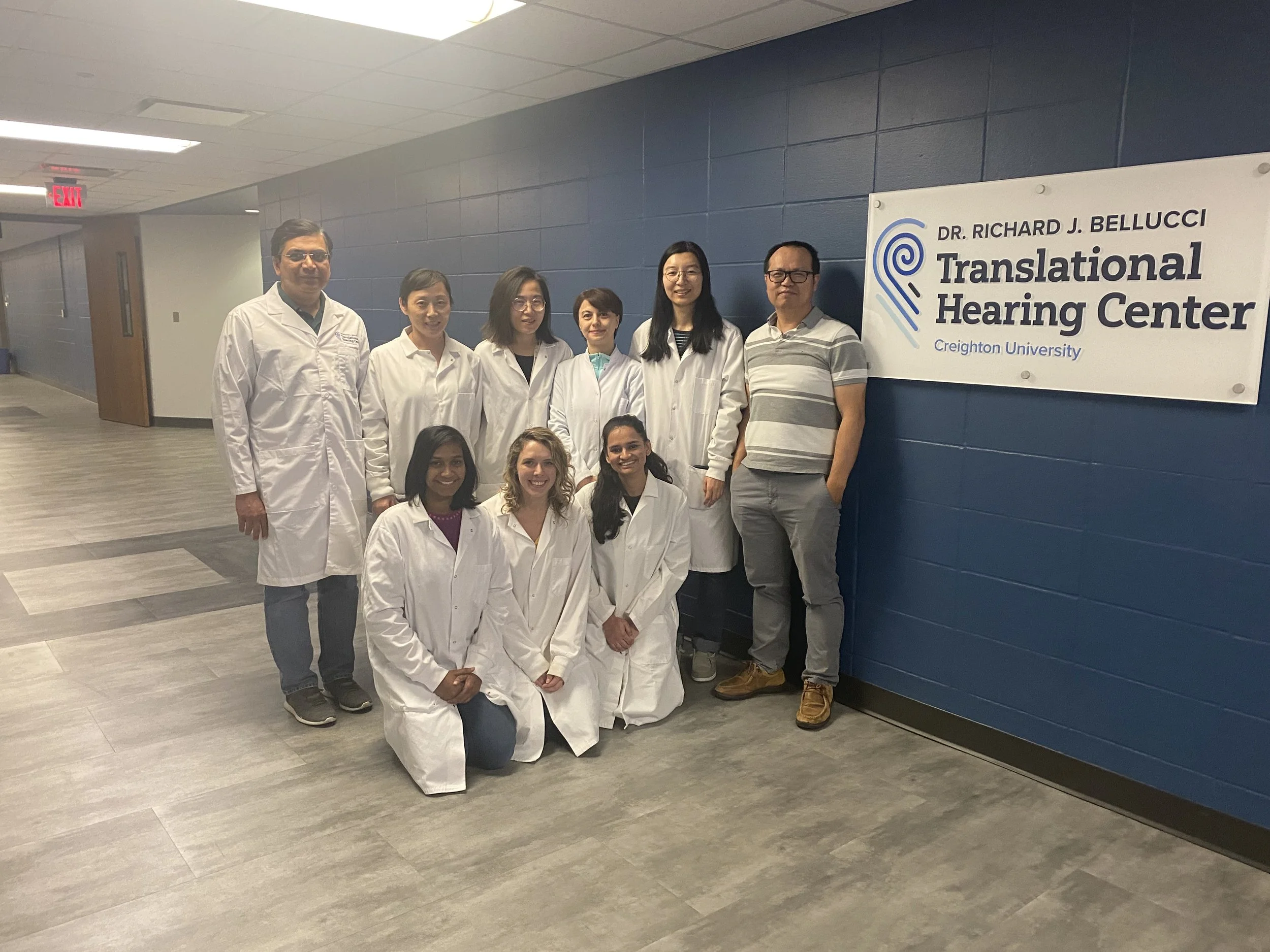
THE TAO LAB
About The Lab
Affiliated with Translational Hearing Center, Tao Lab is investigating transcriptional regulation in the inner ear.
The Tao Lab
Research in The Tao Lab
Sensory Hair Cell Differentiation and Regeneration
Sensory hair cells are essential to convert mechanical movement into neuroelectric signals for hearing and balance, but cannot be regenerated for functional recovery. Can we regenerate sensory hair cells by stimulating differentiation transcriptomic program?
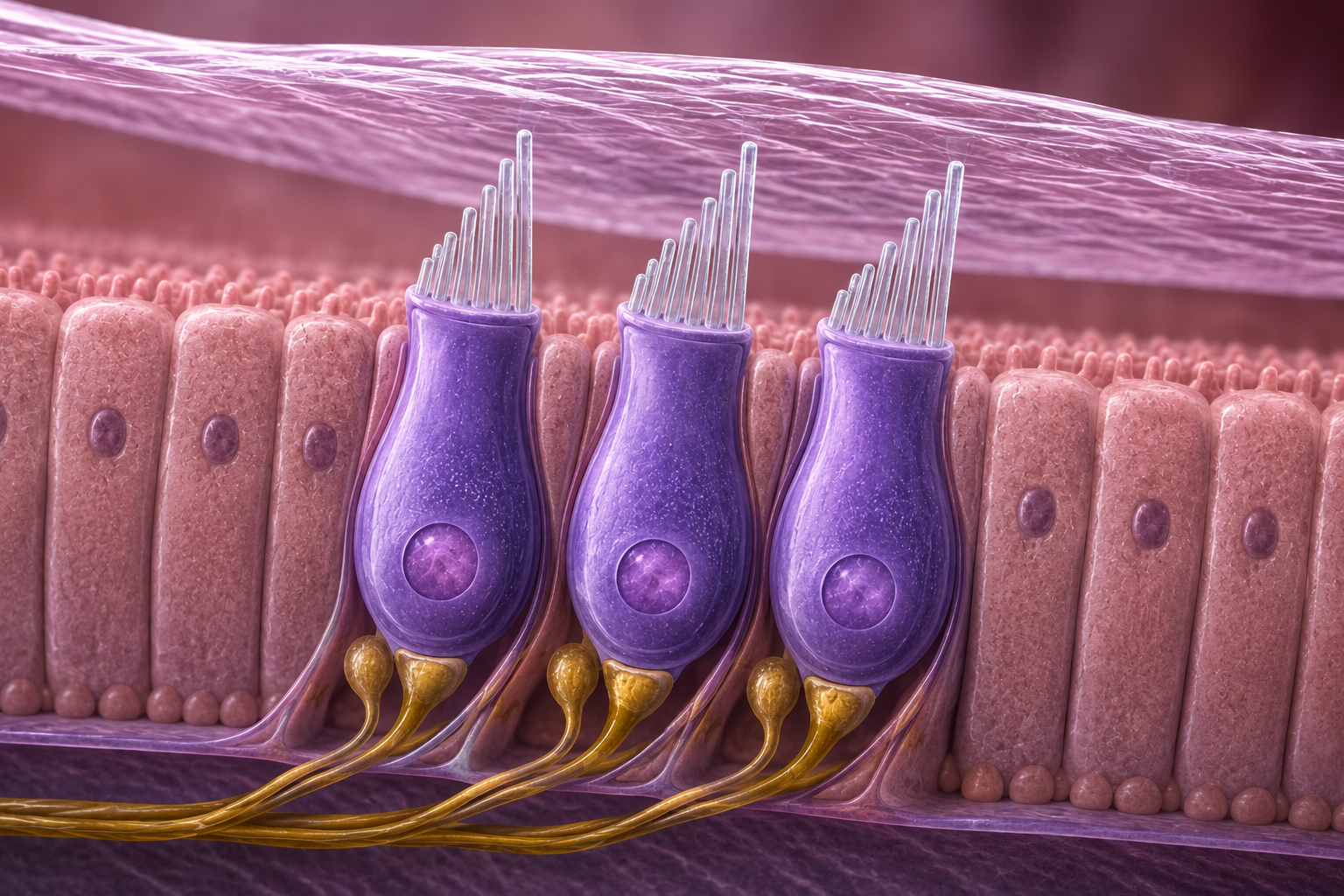
Cell Type-Specific Transcriptional Regulation in the Inner Ear
In the inner ear, multiple cell types work synergistically to achieve mechanosensory transduction. How genes are transcriptionally regulated in a cell type-specific manner in the inner ear to fulfill their functions?
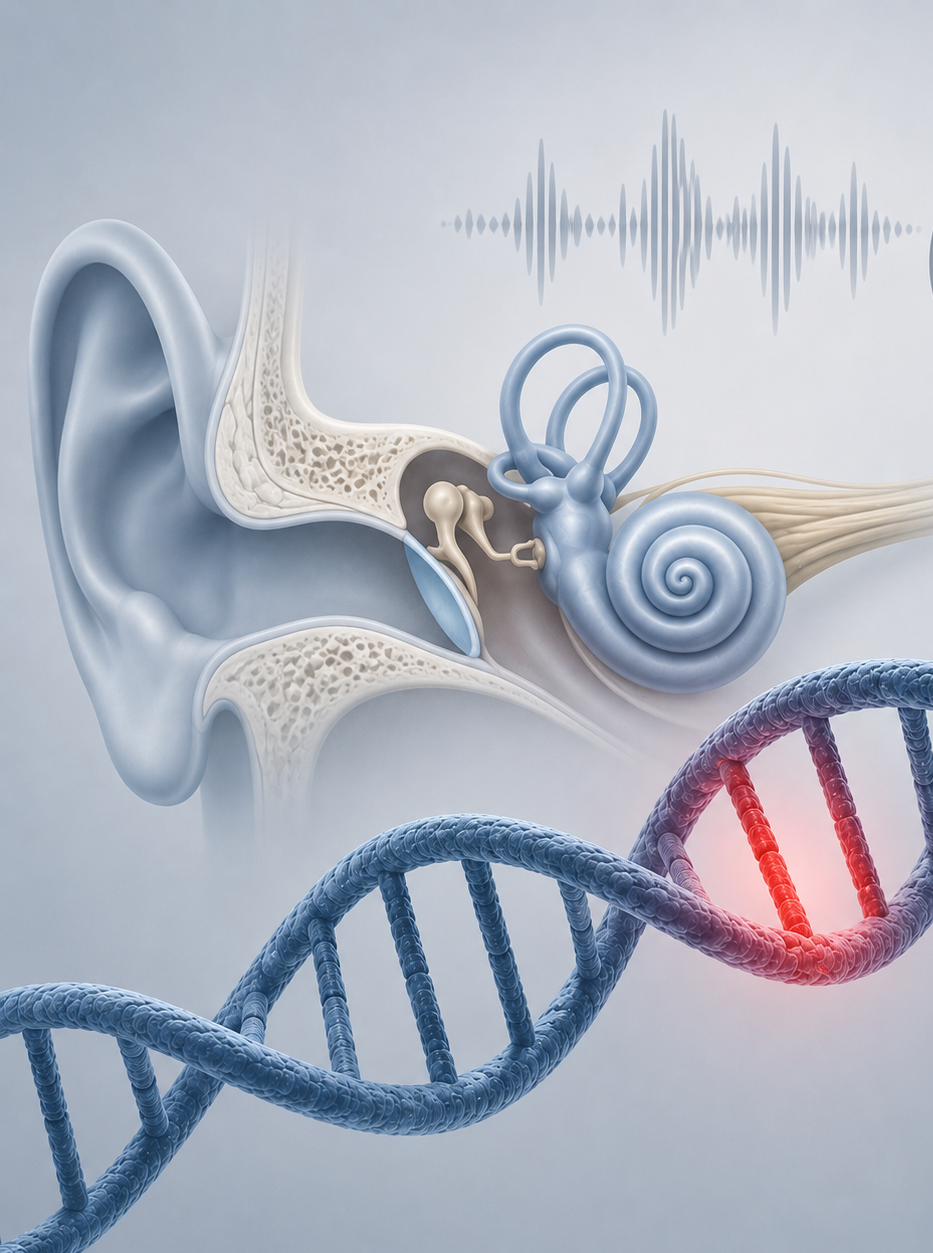
Functional Genomics in Deafness
Distal regulatory elements are essential for cell type-specific gene expression, but most of them have not been annotated in the inner ear. How mutations in distal regulatory elements lead to hearing loss and how to utilize their regulatory functions for deafness treatment?

Explore Our Lab
The Team
Get to know the people behind the pipettes—our team of curious, collaborative scientists.
Publications
Check out our recent papers and see how our collective research is advancing the field.
Join Us
Interested in working with us? Learn about current opportunities for students and collaborators.
Lab News & More
Stay up to date on our latest publications, presentations, lab wins, and big ideas in progress.